

The Thrill of Uncertainty
The allure of casino gambling often lies in the thrill of uncertainty. Players are drawn to the unpredictable nature of games, where each spin of the wheel or flip of a card can lead to unexpected outcomes. This unpredictability triggers a powerful psychological response, activating the brain’s reward system and releasing dopamine, the so-called « feel-good » hormone. This chemical reaction not only enhances the enjoyment of gambling but also reinforces the behavior, leading players to return in search of that next high. Additionally, engaging in activities like playing the best uk non GamStop casinos can amplify this emotional response.
Moreover, the excitement of potential wins can create a sense of hope and aspiration. Gamblers may perceive their bets as a chance to change their fortunes, which can be an enticing drive. The psychological phenomenon of « loss aversion » plays a crucial role here. Many players find it harder to accept losses than to celebrate wins, which can lead them to continue playing in hopes of recouping their losses, often leading to a cycle of increased betting.
The Role of Social Interaction
Casino environments are inherently social, bringing together players from diverse backgrounds and creating a unique community. This social aspect can enhance the gambling experience, as individuals often derive enjoyment not just from the games themselves, but from the camaraderie and interactions with others. Socializing in a casino can foster a sense of belonging and identity among players, which can further fuel the desire to gamble.
Furthermore, peer influence can significantly affect gambling behavior. People may be more likely to place bets or increase their stakes when they are surrounded by friends or fellow players who are doing the same. The concept of « social proof » suggests that when individuals see others engaging in certain behaviors—like betting—they may feel inclined to follow suit, amplifying their own gambling tendencies.
The Impact of Environment on Betting Behavior
The design and ambiance of casinos play a crucial role in shaping player psychology. Bright lights, vibrant colors, and the sounds of winning jingles are strategically used to create an exhilarating atmosphere that heightens excitement. This sensory stimulation can lead to impulsive decision-making, encouraging players to take risks they might otherwise avoid in more subdued environments.
Moreover, the placement of games and the layout of casinos are carefully planned to maximize the amount of time and money spent by players. From the positioning of slot machines to the layout of card tables, everything is designed to keep players engaged and focused, often leading them to gamble for longer periods than they initially intended.
The Illusion of Control
Many gamblers experience an illusion of control, believing they can influence the outcome of games through skill or strategy, even in games that are purely based on chance. This psychological phenomenon can increase the likelihood of continued betting, as gamblers feel empowered by their perceived ability to predict outcomes. This misconception can lead to more significant risks and increased wagers, as players chase the feeling of control they think they possess.
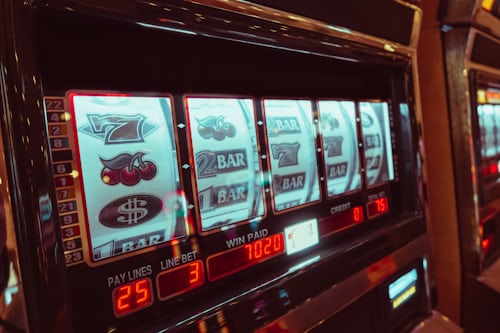
The illusion of control is particularly evident in games like poker, where skill can impact success. However, even with games that are predominantly luck-based, such as slot machines, players may develop superstitions or rituals that they believe will enhance their chances of winning. These behaviors can further entrench the belief that they have some control over the game, encouraging them to keep betting.
Fostering a Balance in Gambling Habits
Understanding the psychological drivers behind casino gambling is essential for both players and the industry. By recognizing the factors that influence betting behavior, individuals can make more informed decisions about their gambling habits. It’s vital to approach gambling as a form of entertainment rather than a reliable source of income. Setting limits and being aware of one’s emotional state can help mitigate the risks associated with excessive gambling.
For those seeking support in balancing their gambling habits, employersforwork-lifebalance.org.uk provides valuable resources aimed at fostering a healthier work-life balance. By promoting well-being and awareness, the site empowers individuals to navigate both their personal and professional lives with greater mindfulness, ultimately helping them maintain a balanced relationship with activities like gambling.
